

Blogs
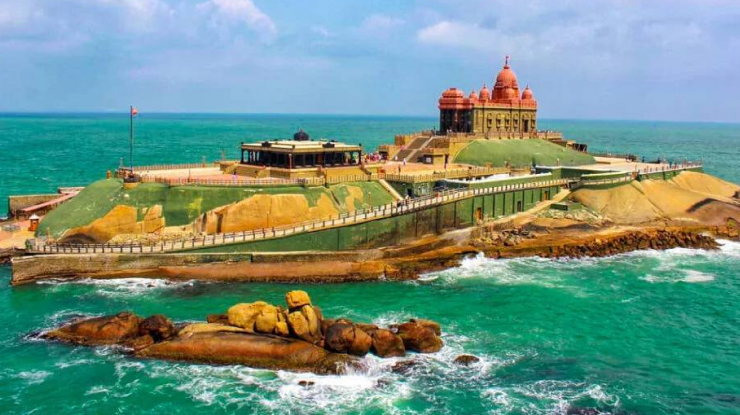
My trip to Tamil Nadu was mostly about my volunteer experiences but I did manage to explore tourist places in Tamil Nadu periodically. I started my journey in Tamil Nadu in Madurai and ended in Chennai. During my 70-day long trip to Tamil Nadu, I had diverse experiences in Tamil Nadu from visiting a hill station, beautiful ancient temples, the southernmost point of India, the capital city, an offbeat small town, the India-Sri Lanka border, a unique city, largest temple compound in India. This is My Journey Down South exploring enchanting Tamil Nadu. Below are the tourist places in Tamil Nadu. Read on!
I was volunteering at an organic farm near Madurai. During a weekend, I explored Madurai City. I started with the famous Meenakshi Amman Temple. It took me a couple of hours to explore the temple. Such beautiful architecture! It was my first time visiting a temple in Tamil Nadu and I was truly mesmerized. The temple is dedicated to Meenakshi (a form of goddess Parvati). It is an ancient temple built by the Pandya dynasty. You have to try the Prasadam(sweets) in the temple! My next stop was Thirumalai Nayakkar Palace. It was built in the 17th century by the Nayaka dynasty. This beautiful palace was once known to be one of the wonders of South India. In the end, I visited the Vandiyur Mariamman Teppakulam Temple famous for the Float festival which takes place from Jan to Feb. No visit to Madurai can be complete without trying local delicacies. To beat the heat, Try Jigarthanda: This milk-based cold beverage is a must! Non-vegetarians can’t miss Mutton Chukka with Bun Parotta. Other dishes to try are Kothu Parotta, Three-tiered dosa, Non-vegetarian Meals at Amma Mess, Idiyappam, Madurai Halwa etc.
After Madurai, I volunteered in a forest near Kodaikanal. During a weekend, I spent a day exploring Kodaikanal. Kodaikanal is a famous hill station in Tamil Nadu located at an elevation of 2100 m. I begin my afternoon by having lunch at Kamaraj Mess. By skipping the usual places, I went straight to hike to Dolphin’s Nose and Echo Point (It is exactly as the name suggests). The hike starts from Vattakanal. The views are amazing from these points. It took me half an hour or so for one-way. I totally enjoyed the hike. One can also hike all the way to Kumbakkarai Falls following the same route. Do try the local fruits i.e. Starfruit and Rosehip. Afterwards, I went to Byrant park to relax for a while followed by an evening stroll at Coaker’s walk to witness the beautiful sunset. Other places to visit in/around Kodaikanal are Pillar Rocks, Guna Cave, Solar Observatory, Velappar temple, Kodaikanal Lake, Berijam Lake, Chettiar Park etc.
During my stay at a Yoga Ashram near Madurai, I became friends with a Tamil guy. Later, he invited me to his hometown. Together, we explored the non-touristic small town called Ambai over the span of a couple of days. In the morning, I was served the delicious Idiyappam with sweet Milk. Later, we traveled to a tea village called Manjolai located a couple of hours from the Ambai town. It is a beautiful sleepy village that reminds me of a Himalayan village. We had a nice time. Later, we went to the river at Ambai town for a pre-sunset bath. I was totally digging the small-town vibes. We end our day by feasting on Kothu parotta with Pumpkin juice. The next day, we traveled to a remote temple famous among surrounding villages. The temple is known to fulfil the wish of fertility. Later we traveled to a water reservoir-cum-mini waterfall. We took a dip there followed by lunch along the water stream. It was as soothing as it gets. To end our day, we visited a beautiful ancient temple in Ambai town where I learnt the significance of Dhwaja Stambha (flagpole) in South Indian temples is to arrest the lightning. I had an enriching two days exploring Ambai while experiencing true Tamil hospitality. It may not be a great touristic place but my belief that “People make places” was fully realized during my stay in Ambai.
Glorious all around the year, it’s not hard to imagine why a trip to Kashmir has made its way to all of our bucket lists. It’s a magnet for romantic adventure lovers who come to explore magical landscapes via a tangle of hiking paths (including the Kashmir Great Lakes Trek). During summers, Kashmir tourism is in full bloom: vibrant tulip gardens in Srinagar, snow-clad mountains starting to unveil their slopes, and the entire region seems to bask in the glory of rejuvenation. Travelling to Kashmir between May and June encapsulates this dynamic transformation, offering travellers a spectacle of nature’s magnificence.
From the scenic Srinagar to Pahalgam distance, to the adventurous Kashmir Great Lakes Trek, there is something for everyone. Whether you want to witness snow in Kashmir or explore the beauty of the north in summer, here’s a guide to provide you with all the necessary information for travelling to Kashmir in May and June.
Embarking on a journey to Kashmir requires meticulous orchestration. Considerations such as securing homestays in Kashmir and outlining a trip itinerary are paramount. Procuring the necessary permits, especially if you intend to visit areas like Gulmarg or Pahalgam, is essential. Furthermore, aligning your travel plans with local festivals and events in Kashmir can significantly enhance your cultural experience in the region.
Select an itinerary for Kashmir that balances leisure with exploration—embracing the serene landscapes and the vibrant local culture of Kashmir.
When selecting your travel schedule, incorporate experiences that delve into the cultural fabric, such as Sufi music evenings or local handicraft exhibits, along with visits to iconic saffron and tulip fields, tranquil lakes and other popular Kashmir tourist places.
Conclude with destinations that offer respite and reflection—Pahalgam’s alpine vistas or the serene gardens of Srinagar—ensuring a harmonious blend of excitement and tranquillity.
Oftentimes, the months of May and June are heralded as the pinnacle of travel season in Kashmir.
The summer months, particularly May and June, are considered the best time to visit Kashmir for several reasons. Firstly, during this time, the valley transforms into a paradise of vibrant colours, with the tulip fields in full bloom. These fields create a mesmerising sight, with rows upon rows of tulips in various hues, adding to the ethereal beauty of the region.
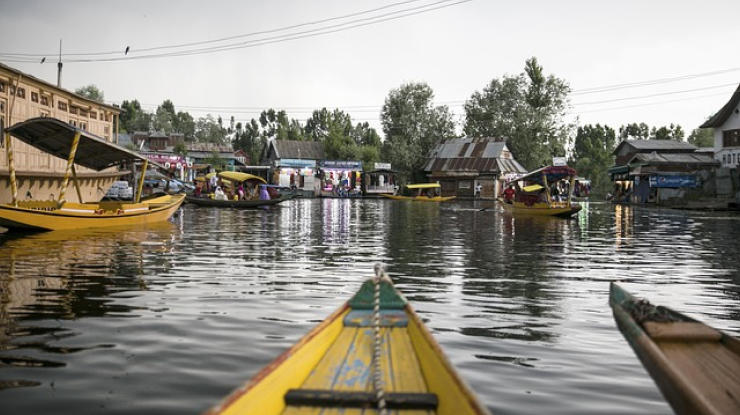
Additionally, the weather in Kashmir during the summer months is temperate and pleasant, making it ideal for outdoor activities and exploration. The clear blue skies and verdant landscapes provide a picturesque backdrop for activities such as trekking, shikara rides on Dal Lake, and visiting the Mughal Gardens.
Moreover, May and June witness the beauty of Kashmir without the inconvenience of heavy rainfall making it a relatively dry period for travel.
The North-East of India is like a hidden gem waiting to be discovered. Comprising states like Arunachal Pradesh, Meghalaya, Assam, Nagaland, Manipur, Mizoram, Sikkim, and Tripura, this region is a treasure trove of natural beauty, cultural diversity, and unique experiences. Known for its snow-clad peaks, verdant valleys, and rich traditions, North East India in January and February transforms into an absolute winter wonderland.
Picture this: serene monasteries shrouded in mist, cascading waterfalls turning into icy marvels, and festivals that light up the winter nights. Unlike the bustling tourist hubs of mainland India, the North East India in January offers a tranquil escape that feels exclusive and untouched.
From the pristine beauty of Arunachal Pradesh to the mesmerizing landscapes of Sikkim, every state has its unique charm. Whether you’re an adventure enthusiast ready to conquer snow-clad treks or a luxury traveler seeking boutique stays amidst panoramic views, the North-East has it all. Winters here add a cozy layer of magic, with destinations like Tawang, Ziro Valley, and Mawlynnong drawing travelers who want to experience something extraordinary.
If you’re contemplating whether North-East India in January is worth visiting, rest assured: it’s not just worth it; it’s an experience of a lifetime.
